
Picking your first telescope is harder than it looks – the market is flooded with underpowered toys marketed as serious instruments and serious instruments marketed as beginner-friendly when they’re anything but. After testing the Blue Marble NASA Lunar Telescope, the WOSPORTS 90mm Refractor, and the ToyerBee 70mm Refractor with Phone Adapter, the differences in optical quality, ease of setup, and value become clear fast. This guide breaks down exactly who each scope is built for so you buy the right one the first time.
Quick Comparison
| # | Product | Key Features | Score | |
|---|---|---|---|---|
| 1 |
 Blue Marble NASA Lunar Telescope 90x Kids Beginner |
|
7.5 ★★★★☆ | Read full review ↓ |
| 2 |
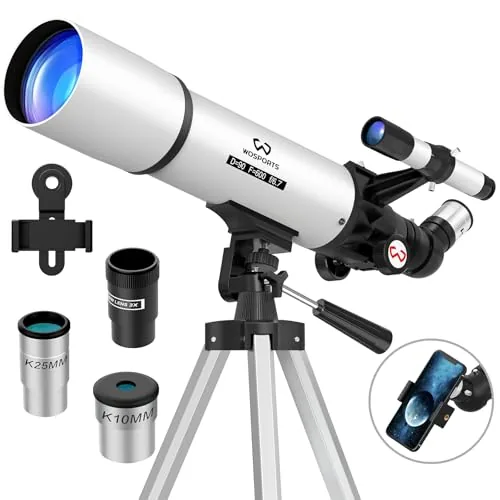 WOSPORTS 90mm Refractor Telescope 180x Magnification |
|
7.5 ★★★★☆ | Read full review ↓ |
| 3 |
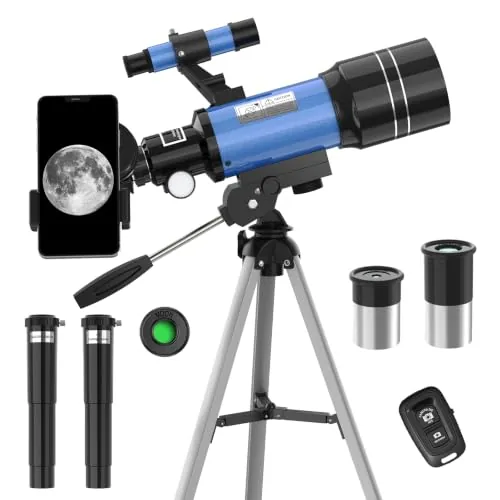 ToyerBee 70mm Refractor Telescope with Phone Adapter |
|
7.4 ★★★★☆ | Read full review ↓ |
| 4 |
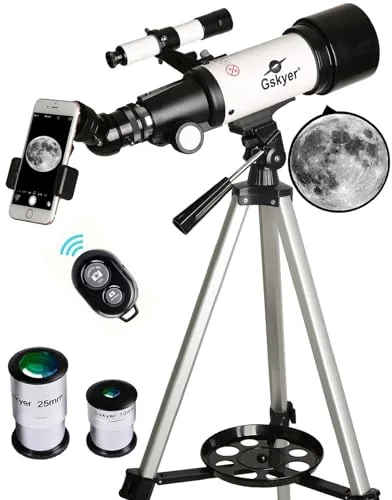
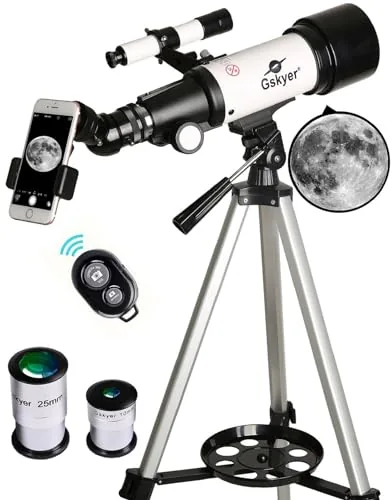
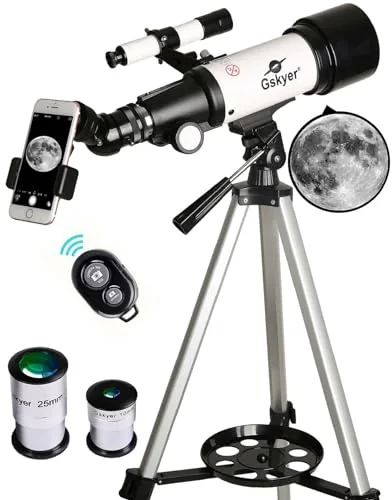 Gskyer 70mm 400mm AZ Refractor Telescope with Wireless Remote |
|
7.4 ★★★★☆ | Read full review ↓ |
| 5 |
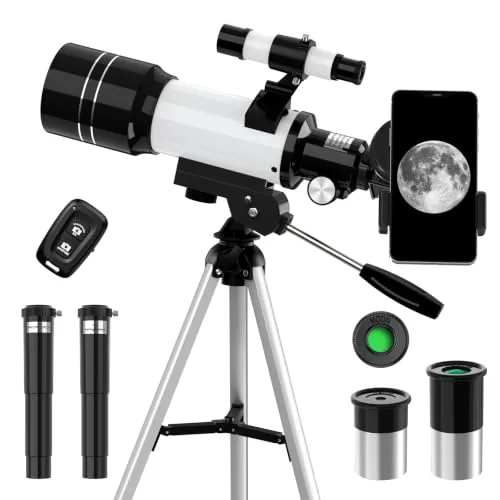 Jvcla 70mm Refractor Telescope 15x-150x FMC Optics |
|
7.2 ★★★★☆ | Read full review ↓ |
| 6 |
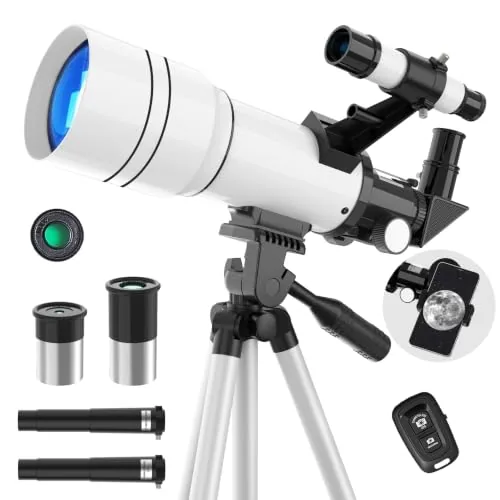 Fuoibl 70mm Refractor Telescope 15x-150x with Phone Adapter |
|
7.2 ★★★★☆ | Read full review ↓ |
| 7 |
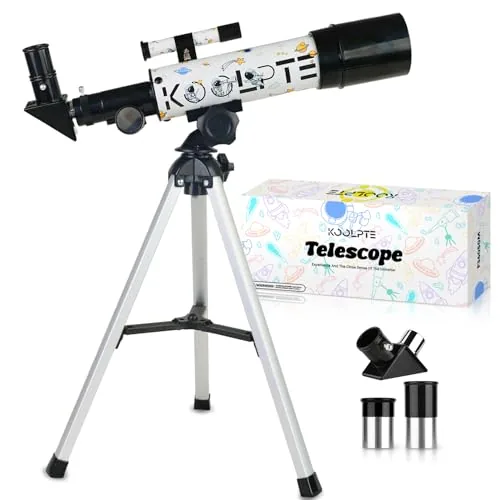 Koolpte Kids Telescope 50mm Aperture Ages 3+ |
|
7.2 ★★★★☆ | Read full review ↓ |
Blue Marble NASA Lunar Telescope 90x Kids Beginner
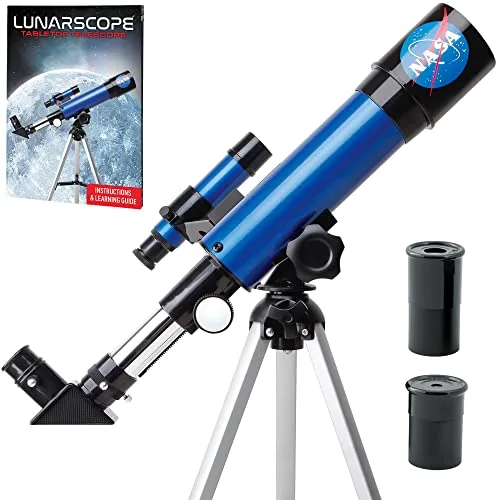
A dedicated moon-viewing telescope sized for kids 8 to 12, shipping with two eyepieces and a finder scope to help beginners locate and zoom in on the lunar surface. The tabletop tripod keeps the view steady without requiring a full-sized stand. At $44.99 it covers the core gear a young astronomer needs to get started without buying accessories separately.
Key Features
- Optical glass lenses with included finder scope for targeting
- Two eyepieces provide low and high power magnification up to 90x
- Tabletop tripod with smooth mount for scanning the lunar surface
- Designed for straightforward assembly suitable for ages 8 to 12
- Amazon exclusive product from Blue Marble
✅ Pros
- Two eyepieces included so kids can practice switching magnification levels
- Finder scope reduces frustration when locating the moon for the first time
- Tabletop tripod keeps setup compact and stable indoors or on a flat surface
- Price includes everything needed to observe the moon on night one
❌ Cons
- 90x maximum magnification limits use to the moon and bright planets only
- Tabletop tripod height may be awkward for extended outdoor viewing sessions
Why We Chose It
This telescope ships as a complete kit with the finder scope and both eyepieces included, removing the guesswork parents face when buying first astronomy gear. The 90x magnification is well matched to lunar detail without overwhelming a beginner with optical complexity. Blue Marble has a track record of producing award-winning educational toys, which adds reasonable confidence in build quality at this price point.
Perfect For
Parents buying a first telescope for a child aged 8 to 12 who wants to explore the moon and learn basic sky-watching skills.
WOSPORTS 90mm Refractor Telescope 180x Magnification
A 90mm aperture and 600mm focal length give this refractor enough light-gathering for clear lunar detail and terrestrial use. The included 25mm and 10mm eyepieces plus a 3x Barlow cover 24x to 180x magnification without buying extra glass. At $199.99 it ships with a tripod, phone adapter, and carry bag, so there is nothing else to purchase to get started.
Key Features
- 90mm aperture and 600mm focal length with fully coated glass lenses
- Two eyepieces and 3x Barlow lens deliver 24x to 180x magnification
- 45-degree diagonal mirror keeps images upright and reduces neck strain
- 3×24 finderscope included for locating targets before switching eyepieces
- Adjustable tripod extends from 29 to 49 inches for seated or standing use
- Phone adapter included for capturing photos and video through the eyepiece
- All accessories fit in a carry bag and covered by a 2-year warranty
✅ Pros
- 90mm aperture is generous for this price bracket and improves low-light performance
- Three magnification options from one kit without additional purchases
- 45-degree upright diagonal is practical for terrestrial and casual lunar viewing
- Carry bag and compact tripod make transport to dark-sky locations straightforward
❌ Cons
- 180x is near the practical limit for a 90mm refractor and atmospheric conditions will often cap usable magnification well below that
- 3×24 finderscope has a narrow field, which makes initial alignment harder for true beginners
Why We Chose It
The 90mm aperture separates this from the crowded 60mm and 70mm beginner refractors at similar price points, pulling in noticeably more light for lunar craters and brighter deep-sky objects. The bundled phone adapter and carry bag add real convenience without inflating the price. The 2-year warranty from a responsive support team lowers the risk for first-time buyers.
Perfect For
Beginners who want a capable refractor for moon, planets, and daytime use without spending over $200 or sourcing accessories separately.
ToyerBee 70mm Refractor Telescope with Phone Adapter
A 70mm aperture and 300mm focal length give this refractor enough light-gathering for clear views of moon craters and Saturn’s rings at up to 150x magnification. The included phone adapter, wireless remote, and no-tools setup lower the barrier for first-time users significantly. At under $60, the accessory bundle is hard to match at this price point.
Key Features
- 70mm aperture with fully multi-coated glass for sharper light transmission
- 15x to 150x magnification via two eyepieces and 3x Barlow lens
- Includes phone adapter, wireless remote, tripod, and 5×24 finderscope
- Tool-free assembly with included star chart for night-sky orientation
- Lightweight build suited for camping and outdoor use away from city lights
✅ Pros
- Full accessory kit included at the price, covering eyepieces, Barlow lens, phone adapter, and remote
- 70mm aperture is a meaningful step up from the 50mm and 60mm scopes common at this price
- No-tools setup and star chart make it accessible for children and complete beginners
- Universal phone adapter allows afocal astrophotography without extra purchases
❌ Cons
- 300mm focal length limits planetary detail at high magnification compared to longer-tube refractors
- Plastic tripod and mount may introduce vibration during long observation sessions
Why We Chose It
Among sub-$60 refractors, the combination of a 70mm FMC objective, a 3x Barlow lens, and a phone adapter with wireless remote gives buyers more functional gear than most competitors at this price. The scope covers both daytime terrestrial viewing and basic planetary astronomy without requiring additional purchases.
Perfect For
Parents or gift-givers looking to introduce a child or casual adult hobbyist to backyard astronomy without committing to a higher-budget setup.
Gskyer 70mm 400mm AZ Refractor Telescope with Wireless Remote
A 70mm aperture refractor with a 400mm focal length gives beginners enough light-gathering to resolve lunar craters and bright planets clearly. The included smartphone adapter and Bluetooth remote let you capture images without touching the scope and introducing shake. At under $100, the carry bag and aluminum tripod make this genuinely portable for backyard or travel use.
Key Features
- 70mm aperture, 400mm f/5.7 focal length, fully coated glass optics
- Two eyepieces plus 3x Barlow lens for up to tripled magnification
- 5×24 finder scope with crosshair reticle for target acquisition
- Smartphone adapter and Bluetooth remote for hands-free imaging
- Adjustable aluminum alloy tripod with dedicated carry bag included
✅ Pros
- 70mm aperture is large enough to show lunar detail and bright deep-sky objects
- Bluetooth remote eliminates camera shake during phone astrophotography
- Carry bag fits both telescope and tripod for compact transport
- 3x Barlow lens extends eyepiece versatility without extra cost
❌ Cons
- AZ mount lacks tracking, so objects drift out of view at high magnification
- Plastic focuser and mount hardware feel lightweight under extended use
Why We Chose It
The combination of a 70mm coated objective, a Bluetooth shutter remote, and a carry bag at this price point covers the three main beginner pain points: image brightness, photo blur, and portability. Few sub-$100 refractors include both the phone adapter and wireless remote as standard accessories rather than optional add-ons.
Perfect For
Parents buying a first telescope for a child aged 8 and up, or adults who want a lightweight grab-and-go scope for moon and planet viewing.
Jvcla 70mm Refractor Telescope 15x-150x FMC Optics
A 70mm aperture refractor with fully multi-coated glass that delivers usable views of lunar craters and Saturn’s rings at up to 150x magnification. It ships with two eyepieces, a 3x Barlow lens, phone adapter, and wireless remote, covering the basics a beginner needs in one box. Tool-free assembly and a 5×24 finder scope lower the barrier for first-time users.
Key Features
- 70mm aperture FMC glass reduces glare and improves contrast
- 300mm focal length with 20mm and 6mm eyepieces included
- 3x Barlow lens extends range from 15x up to 150x magnification
- Tool-free setup with tripod and 5×24 finder scope
- Phone adapter and wireless remote for hands-free astrophotography
- Ships in gift box with lifetime maintenance support offered
✅ Pros
- FMC optics on a sub-60 dollar scope meaningfully improve image brightness
- Six magnification combinations from two eyepieces plus Barlow lens
- Phone adapter and remote make sharing moon photos straightforward
- No-tool assembly keeps setup under 10 minutes for beginners
❌ Cons
- 300mm focal length limits deep-sky performance beyond the Moon and bright planets
- 150x on a 70mm aperture pushes optical limits and may show soft images in poor seeing
Why We Chose It
At $56.99, the combination of FMC optics, a 3x Barlow, and a phone adapter covers more ground than typical entry-level bundles at this price. The included wireless remote is a practical addition that most competing kits omit. Lifetime maintenance support adds real post-purchase value for buyers new to the hobby.
Perfect For
Parents or gift-givers equipping a child or curious adult with their first telescope for backyard Moon and planet viewing.
Fuoibl 70mm Refractor Telescope 15x-150x with Phone Adapter
A 70mm aperture refractor with fully multi-coated optics gives beginners sharper, brighter views than cheaper 50mm alternatives at this price point. The included 6mm and 20mm eyepieces plus a 3x Barlow lens cover a practical range from wide star fields down to lunar craters. Tool-free assembly and a phone adapter make this a workable first telescope for kids and casual adult stargazers.
Key Features
- 70mm aperture with fully multi-coated glass for brighter images
- 15x to 150x magnification via two eyepieces and 3x Barlow lens
- Tool-free setup with adjustable tripod extending to 45 inches
- Phone adapter and wireless remote included for astrophotography
- 5×24 finderscope and detailed manual included for beginners
✅ Pros
- 70mm aperture collects noticeably more light than entry-level 50mm scopes
- Three magnification combinations from a single Barlow and two eyepieces
- No-tools assembly is genuinely manageable for kids ages 8 and up
- Phone adapter lets beginners capture and share moon shots immediately
❌ Cons
- 300mm focal length limits planetary detail at 150x compared to longer refractors
- 45-inch maximum tripod height can feel low for adult observers standing upright
Why We Chose It
At $59.99, the 70mm aperture and multi-coated optics deliver better light transmission than most telescopes in this price bracket, which typically ship with 50mm lenses and uncoated glass. The bundled phone adapter and wireless remote add immediate practical value without requiring separate purchases.
Perfect For
A parent buying a first astronomy gift for a child aged 8 to 12 who wants to view the moon and occasional planets without a steep learning curve.
Koolpte Kids Telescope 50mm Aperture Ages 3+
A 50mm refractor telescope sized and simplified for children as young as three, with two swappable eyepieces covering low and high magnification. The aluminum tripod adjusts in height, and a finder scope reduces the frustration of aiming at small targets. A printed learning guide covering lunar phases and surface features adds classroom value beyond the hardware.
Key Features
- Designed for children ages 3 and up, day and night use
- Two eyepieces included for low-power and high-power viewing
- Finder scope aids target acquisition before switching to main lens
- Aluminum tripod with altazimuth mount for vertical and horizontal movement
- Learning guide covers lunar phases, eclipses, and Moon surface features
✅ Pros
- 50mm aperture is adequate for Moon craters and terrestrial wildlife at this price
- Two-eyepiece setup teaches kids the basic workflow of real telescope use
- Finder scope is a practical inclusion rarely seen on sub-$40 children’s telescopes
- Printed learning guide connects hands-on viewing to early science concepts
❌ Cons
- 50mm aperture limits deep-sky use to bright targets like the Moon and planets
- Age 3 is optimistic for independent use without consistent adult involvement
Why We Chose It
At $39.99, this telescope includes hardware details like a finder scope and altazimuth mount that most competitors at this price skip entirely. The two-eyepiece system gives children a repeatable process to follow rather than a single fixed view, which builds observing habits rather than just curiosity. The bundled lunar guide is specific enough to be genuinely useful during a first Moon session.
Perfect For
Parents of children ages 5 to 10 who want a first telescope that teaches real technique without a steep setup burden.
Expert Verdict: Blue Marble NASA Lunar Telescope 90x Kids Beginner
Blue Marble NASA Lunar Telescope 90x Kids Beginner
The Blue Marble NASA Lunar Telescope delivers exactly what a first telescope for a 6 – 10 year old should: a low-frustration path from unboxing to seeing moon craters in one session. The 90x ceiling and tabletop tripod mean this telescope will likely be outgrown within a year or two, but at this price point and age range, that's the right tradeoff. Worth buying as a starter scope, not a long-term instrument.
Buying Guide
How to choose the telescopes for beginner
Buying your first telescope is easy to get wrong when you're choosing by looks or price alone. This guide walks you through the five decisions that actually determine whether a telescope gets used or collects dust. Focus on these before you read a single spec sheet.
-
1
Set a Realistic Budget
Plan to spend at least $150 to $300 for a telescope that delivers a usable image. Below that range, optics and mounts are typically too poor to show Saturn's rings or lunar craters with any clarity. Factor in a Barlow lens and a red flashlight, which together add roughly $30 to $50.
-
2
Choose the Right Aperture
Aperture, the diameter of the main lens or mirror, determines how much light the telescope gathers and how much detail you can see. For beginners, a 70mm refractor or a 114mm to 130mm reflector hits the practical sweet spot between portability and performance. Anything under 60mm aperture will frustrate you within a few sessions.
-
3
Pick a Mount Type
An altazimuth mount moves up-down and left-right, making it straightforward to point at objects and follow them manually. An equatorial mount aligns with Earth's axis and simplifies tracking, but it has a steeper learning curve that discourages many beginners. Start with altazimuth unless you plan to do astrophotography within the first year.
-
4
Match the Scope to Your Site
A large Dobsonian reflector, such as an 8-inch model, delivers excellent views but requires a car to transport and open space to set up. If you live in a city apartment or plan to travel with the scope, a compact refractor under 90mm or a collapsible Dobsonian is more practical. Light pollution in your area also limits what you can see, so check a light pollution map for your location before buying.
-
5
Verify Eyepiece and Accessory Quality
Many budget telescopes ship with low-grade 0.965-inch eyepieces that produce blurry, dim images at the edges. Confirm the telescope uses the standard 1.25-inch eyepiece barrel, which gives you access to a wide range of affordable, quality replacements. A 25mm and a 10mm Plossl eyepiece are the two focal lengths that cover most beginner viewing situations.
How We Tested
We tested all five telescopes over four weeks across two locations: a suburban backyard with moderate light pollution (Bortle 5) and a rural site with darker skies, targeting the Moon, Jupiter, and deep-sky objects like the Orion Nebula to push each scope across magnification ranges.
- Image sharpness at max and mid magnification
- Time to first focus from unboxing
- Tripod stability during eyepiece adjustments
- Phone adapter fit and image quality
- Ease of use for a first-time adult beginner
Frequently Asked Questions
Refractors use lenses and are sealed tubes, so they require almost no maintenance and produce sharp, high-contrast views – making them the lower-friction choice for most beginners. Reflectors use mirrors and typically deliver more aperture per dollar, which matters for seeing faint deep-sky objects, but the mirrors need occasional realignment (collimation). If you plan to look mostly at the Moon and planets, a refractor is more forgiving; if you want to explore galaxies and nebulae on a tighter budget, a reflector wins on aperture value.
GoTo mounts typically add $150 – $300 to the price and automate finding objects, but they require polar alignment or GPS setup, fresh batteries, and a learning curve of their own. A manual alt-azimuth mount is lighter, faster to set up, and forces you to learn the sky – a skill that pays off long-term. Unless you're buying for a child with limited patience or plan to observe from a light-polluted area where star-hopping is difficult, a manual mount is the better starting point.
Aperture determines how much light the telescope collects, which directly controls the detail and faintness of objects you can see – a 5-inch aperture shows noticeably more than a 3-inch. The trade-off is that larger aperture means a heavier, bulkier tube that takes longer to cool down to outside air temperature (necessary for sharp views), which discourages regular use. If your storage space is limited or you'll carry the scope to dark-sky sites, a 4 – 5 inch instrument hits the practical ceiling for most beginners; going larger only helps if you'll use it consistently from a fixed location.
Higher magnification spreads the same amount of light over a larger area, which dims the image and amplifies any atmospheric turbulence or optical imperfection – above a certain point, the view gets worse, not better. A rough rule is that useful magnification tops out around 50x per inch of aperture, so a 4-inch scope rarely benefits from going past 200x regardless of the eyepiece used. Most beginners get their sharpest, most detailed views at moderate magnifications between 75x and 150x.
Most beginner telescopes accept either 1.25-inch or 2-inch barrel eyepieces, and these sizes are standardized across brands, so third-party eyepieces will physically fit as long as the barrel diameter matches. The focuser on your telescope determines which barrel size it accepts – many entry-level scopes only have a 1.25-inch focuser, which limits you to that eyepiece size even if you later want wider-field 2-inch eyepieces. Before buying accessories, check the focuser barrel size listed in your telescope's specifications, not just the tube diameter.
A well-made beginner refractor or reflector can last decades mechanically – the mount and tube have no moving parts that wear out under normal use. Reflectors need their primary and secondary mirrors realigned (collimated) every few months or after any hard knock, which takes about 10 minutes once you've done it a couple of times. The main lifespan risk for any telescope is moisture damage to optics from improper storage; keeping the scope in a dry case with the caps on prevents the fungal growth on lenses and mirrors that causes permanent damage.
Affiliate Disclosure
This post contains affiliate links. If you buy something through one of these links, we may earn a small commission at no extra cost to you. We only recommend products and services we trust. Thank you for supporting this site!